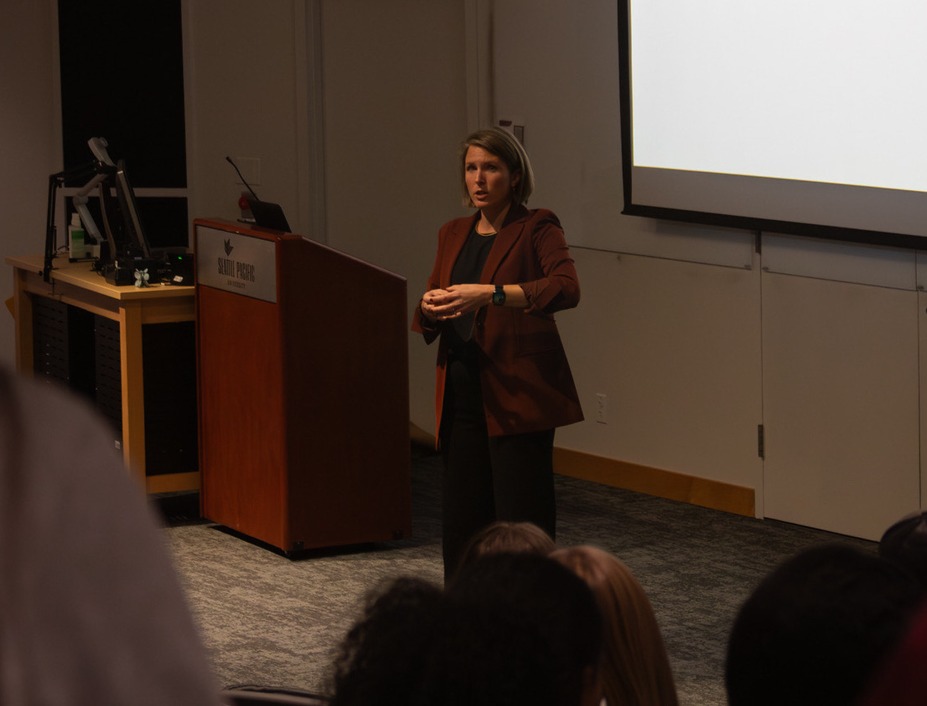
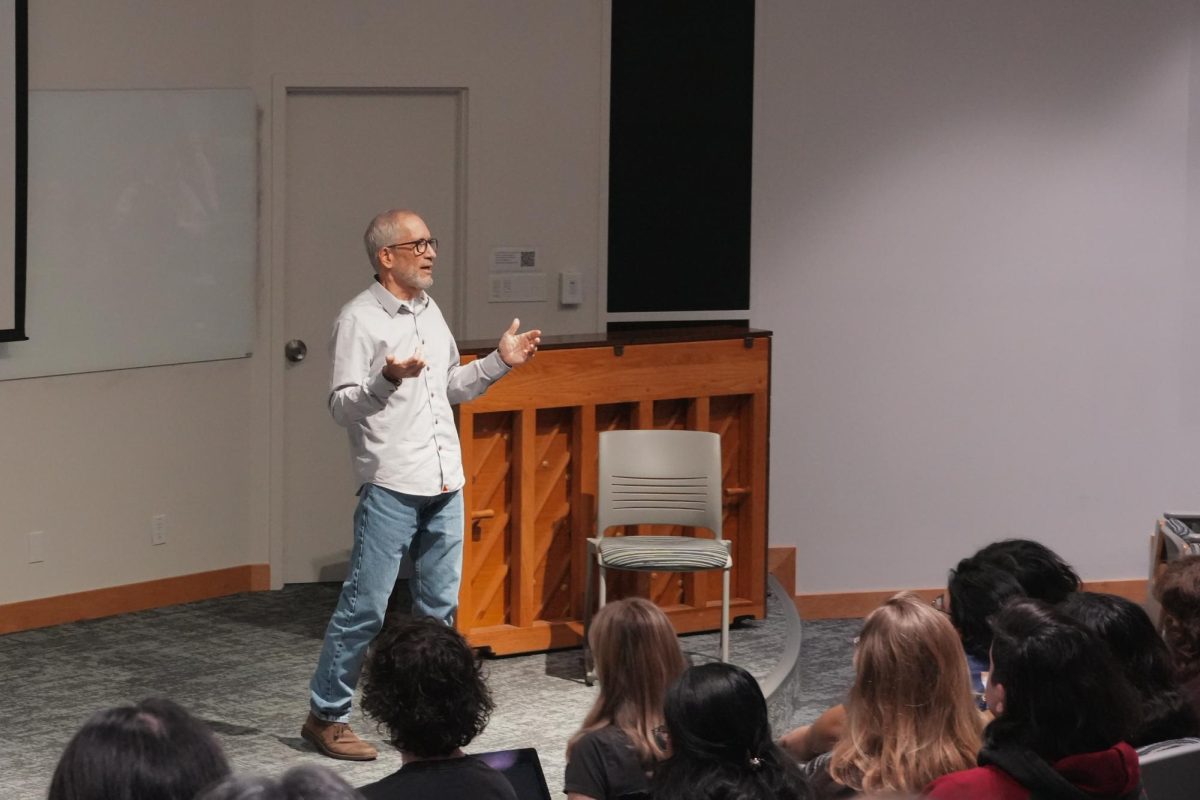









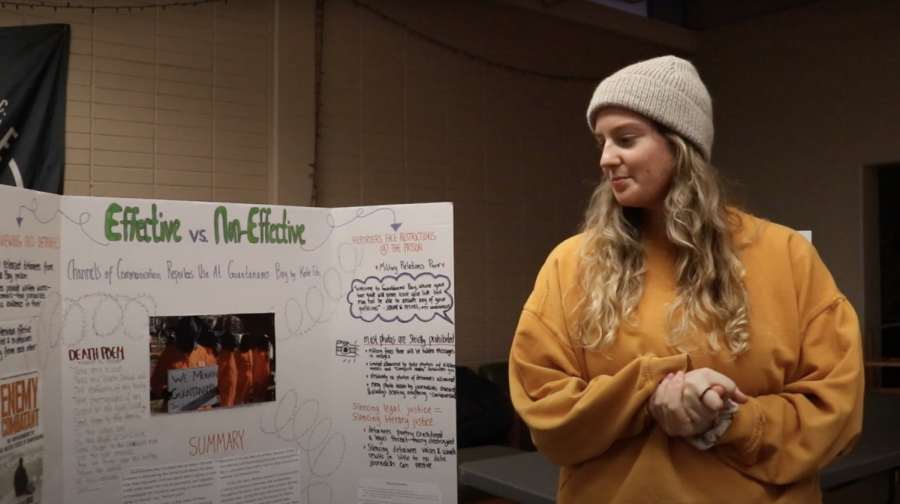

A forum on the history between the United States and Latin America, as well as current events in the region, was hosted at Seattle Pacific University on Wednesday, Jan. 14. The presentation ended with a Q&A to kickstart a dialogue between the presenters and audience.
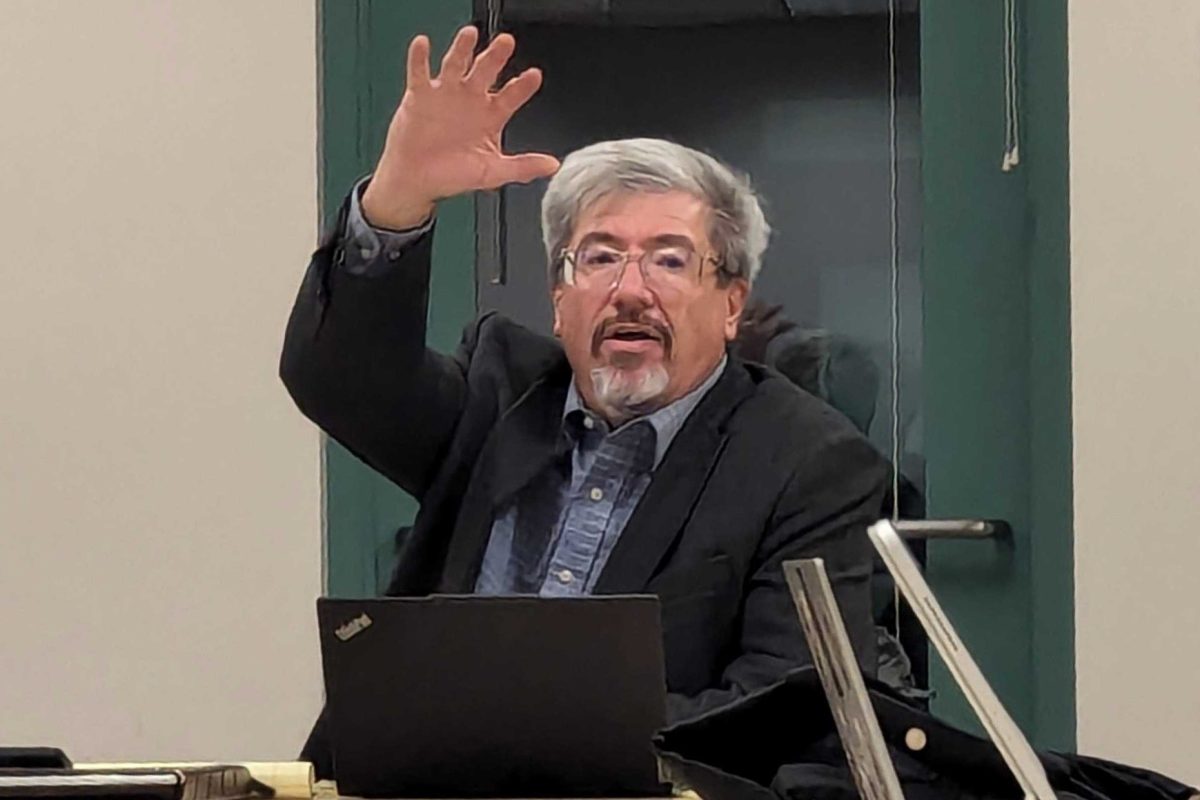
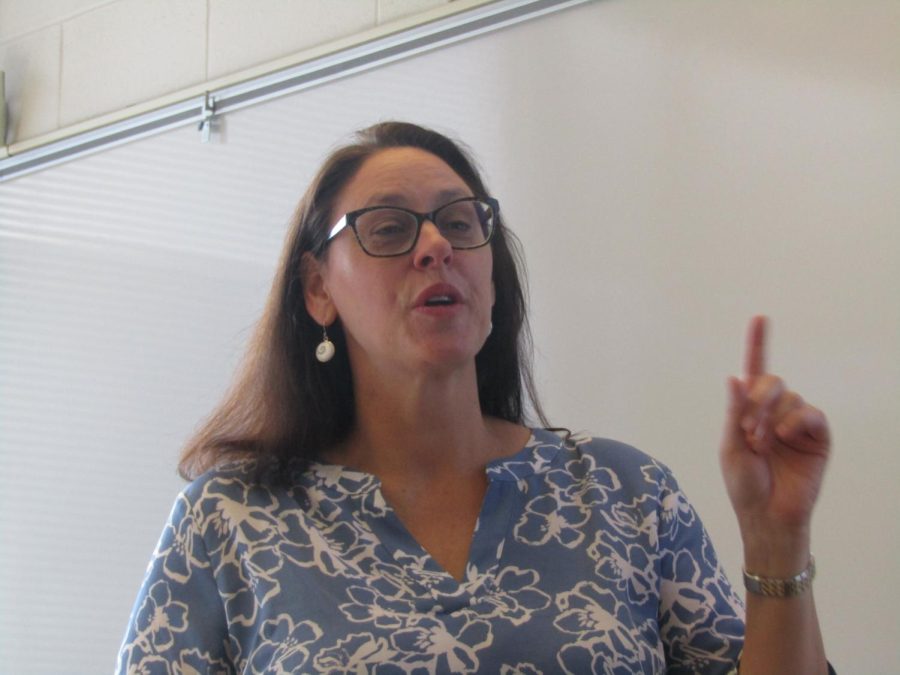
One of the leaders of the seminar was sociology professor Kevin Neuhouser, who spent three years researching community development in Recife, Brazil. Also leading the seminar was history professor Alissa Walter, who has previously given informational seminars on international current events at Seattle Pacific.
The forum was intended to help students understand the conflict between Venezuela and The United States by having speakers use their historical knowledge to contextualize it.
“One of the goals of education at SPU is that faculty apply their areas of study in ways to help students not just learn in courses and in majors, but they can see how it applies to what is going on in the world as it happens,” Neuhouser said.
The seminar was held in response to the Trump Administration capturing Venezuelan President Nicholas Maduro on Saturday, Jan. 3. The motivation behind the capture has been said to be protecting democracy, providing peace and prosperity to Venezuela and removing drugs from the United States. With the severity of the event, the forum was held to give students the tools to understand it themselves.
“What happened in Venezuela, with the United States capturing a sitting president of another country, is a pretty major event, so [the forum] helps students make sense of that and understand the historical background and the context so that they can interpret it,” Neuhouser said.
The seminar started with a discussion of the Monroe Doctrine from 1823, which justified military intervention in Latin America.
“In the Monroe Doctrine and Roosevelt corollary, there was a facade that [the United States] was doing this for the well-being of Latin- Americans. It was a paternalistic facade, but it was still claiming [that] if we intervene, it will be for the benefit of Latin- Americans. The Trump corollary dismisses all of that,” Neuhouser said.
Neuhouser made an effort to use direct quotes to avoid personal biases or misinformation within the lecture. He gave advice on where to find reliable sources.
“When there is something going on, it is always good to talk to faculty that have expertise in that area to point them to good sources of information, because there are a lot of bad sources,” Neuhouser said.
Walter took the stage to highlight correlations between the United States’ current actions towards Venezuela and their past with Iraq. The similarities in situations provide some contextual predictions on the outcomes that may unfold between the United States and Venezuela.
To deepen their understanding, students were encouraged to ask questions after the lecture.
“The goal is not just intellectual knowledge for intellectual knowledge’s sake, but to be wise in order to act based on our values. SPU says to engage the culture and change the world. That is what we are hoping to be: a positive force. If we do not understand the world we are trying to impact, we could be very naive,” Neuhouser said.