


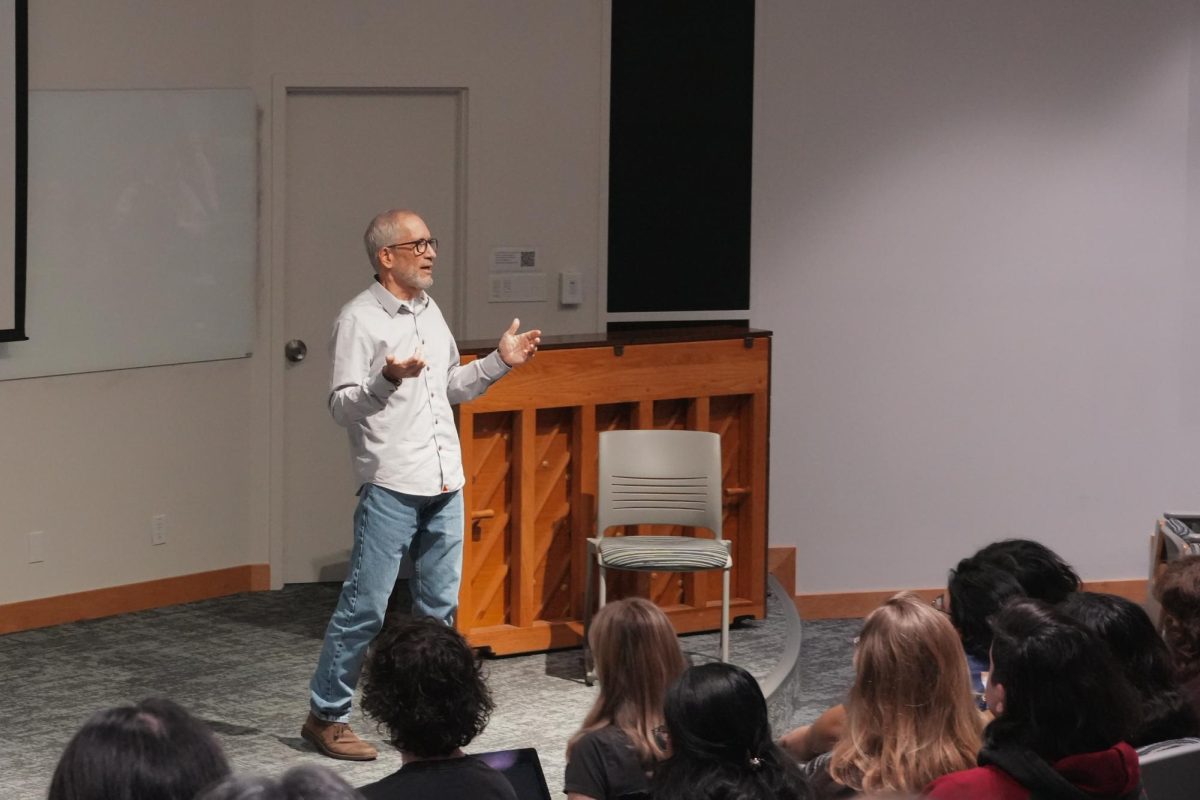





















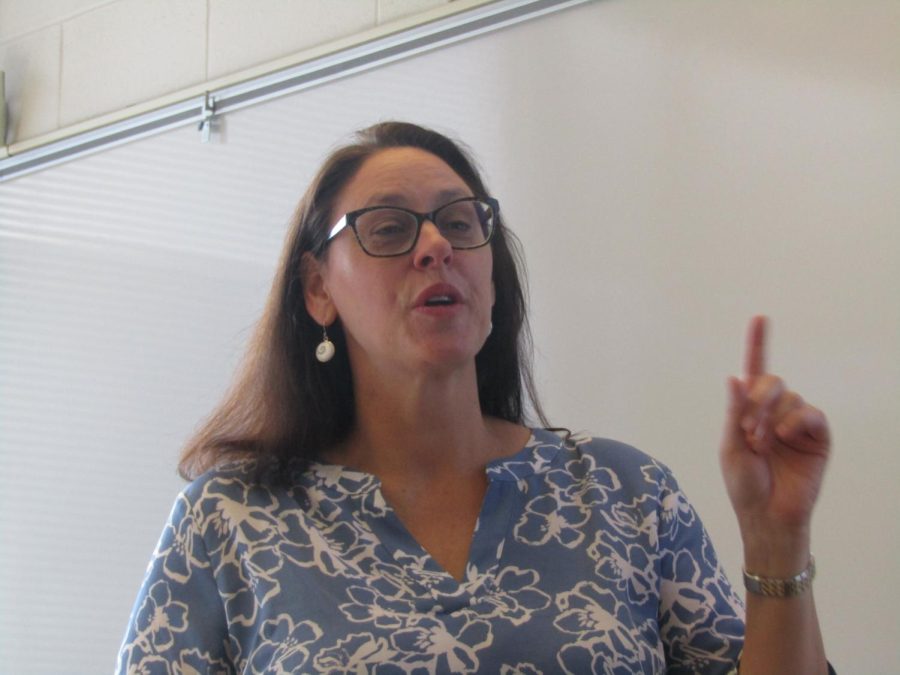
























A seminar that was put on by one of the campus clubs, Students for Life, regarding body literacy and cycle tracking has sparked questions about the type of information being presented to the student body. While empowering students to understand their own biology is a noble goal, the presentation by Lauren Seerdin from 3W Medical for Women appeared to approach the topic through a lens that was concerningly one-sided, particularly regarding the use of hormonal birth control.
The seminar’s focus leaned heavily on the drawbacks of hormonal contraceptives, describing them as putting the body in a state of “hormonal insufficiency” and labeling the resulting monthly bleed as a “hormone withdrawal bleed” rather than a true period. While these are technical descriptions of how certain contraceptives work, the framing often prioritized these “deficits” without a corresponding discussion of the benefits many students rely on, such as effective pregnancy prevention, management of debilitating symptoms, and long-term health protections.
By describing birth control as a tool that suppresses the body’s natural signs, the talk risked creating an atmosphere of fear rather than one of truly informed consent. Using loaded terminology to describe standard medical treatment can alienate students who rely on these methods for health reasons beyond just pregnancy prevention. To be truly informative, a seminar on the topic of birth control should represent the biological changes of birth control as a medical choice with trade-offs rather than a disruption of a natural state.
One of the most critical gaps in the presentation was the lack of emphasis on the risks associated with moving away from established contraceptive methods. If students were to stop using hormonal birth control in favor of cycle tracking, there are serious implications that were not fully addressed.
While Seerdin stated that the FEMM method is 90% effective, she also cautioned that users often do not really know exactly when they are ovulating or how long sperm may survive in their specific case. This uncertainty highlights a significant risk for unplanned pregnancy, especially when compared to the high consistency offered by medical contraceptives. Relying on self-tracking requires a level of precision that may not align with the reality of every student’s biology or lifestyle.
The talk focused almost exclusively on the mechanics of ovulation and the use of cycle tracking to avoid or achieve pregnancy. However, it did not sufficiently address the fact that cycle tracking offers no protection against sexually transmitted diseases, which is a vital consideration for any sexually active individual. In a campus setting where holistic health is the priority, omitting the necessity of barrier methods alongside or instead of tracking leaves a dangerous gap in the educational narrative.
The seminar presented effectiveness rates and medical claims, such as the FEMM method being more accurate than the pill or condoms when used correctly, without providing accessible sources for these figures during the session. It is difficult to verify the 90% effectiveness claim or the comparative accuracy claims when follow-up requests for specific source data have so far gone unanswered.
Ultimately, the responsibility of a campus club in hosting such seminars should be to provide a rounded perspective. Reproductive health is not a one-size-fits-all matter. For many, the side effects of birth control are a necessary trade-off for the stability and protection it provides. A more responsible dialogue would have acknowledged both the validity of cycle tracking as a health tool and the essential role that various forms of birth control play in modern healthcare. Without that balance, a talk intended to educate can easily cross the line into fear-mongering, leaving students with more anxiety than actual empowerment.