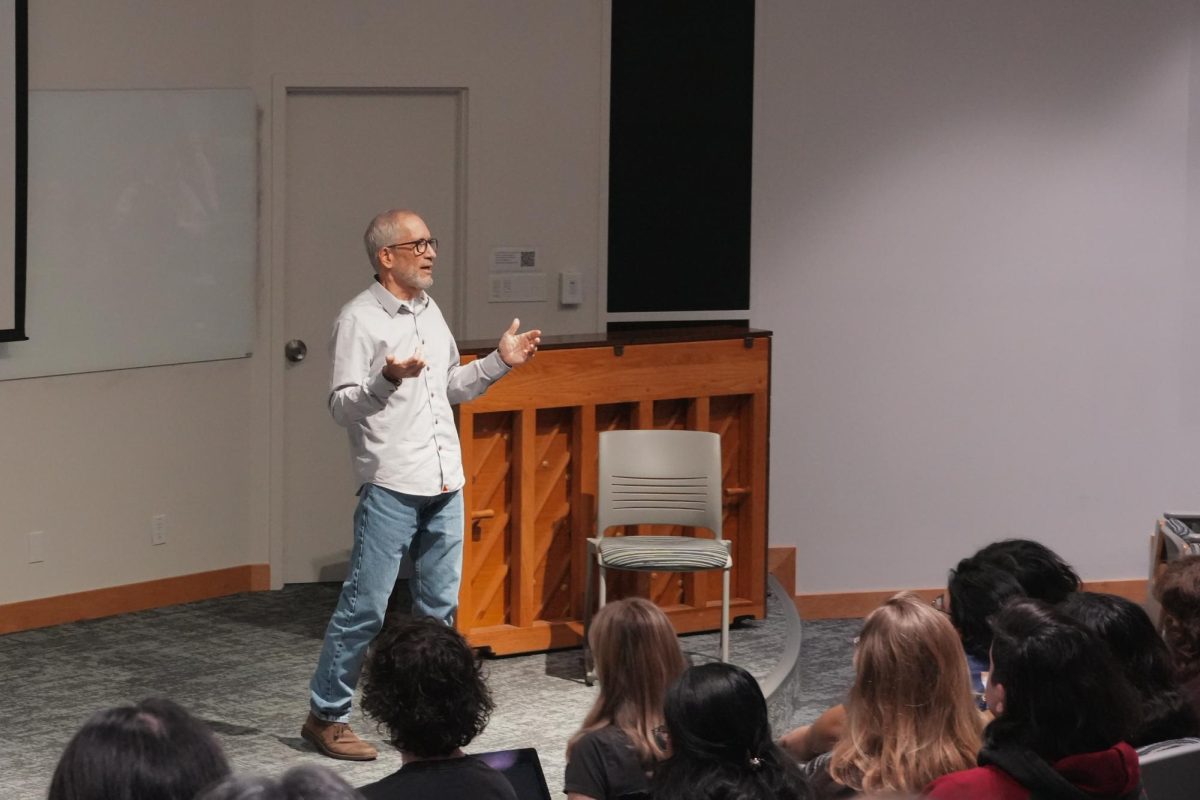






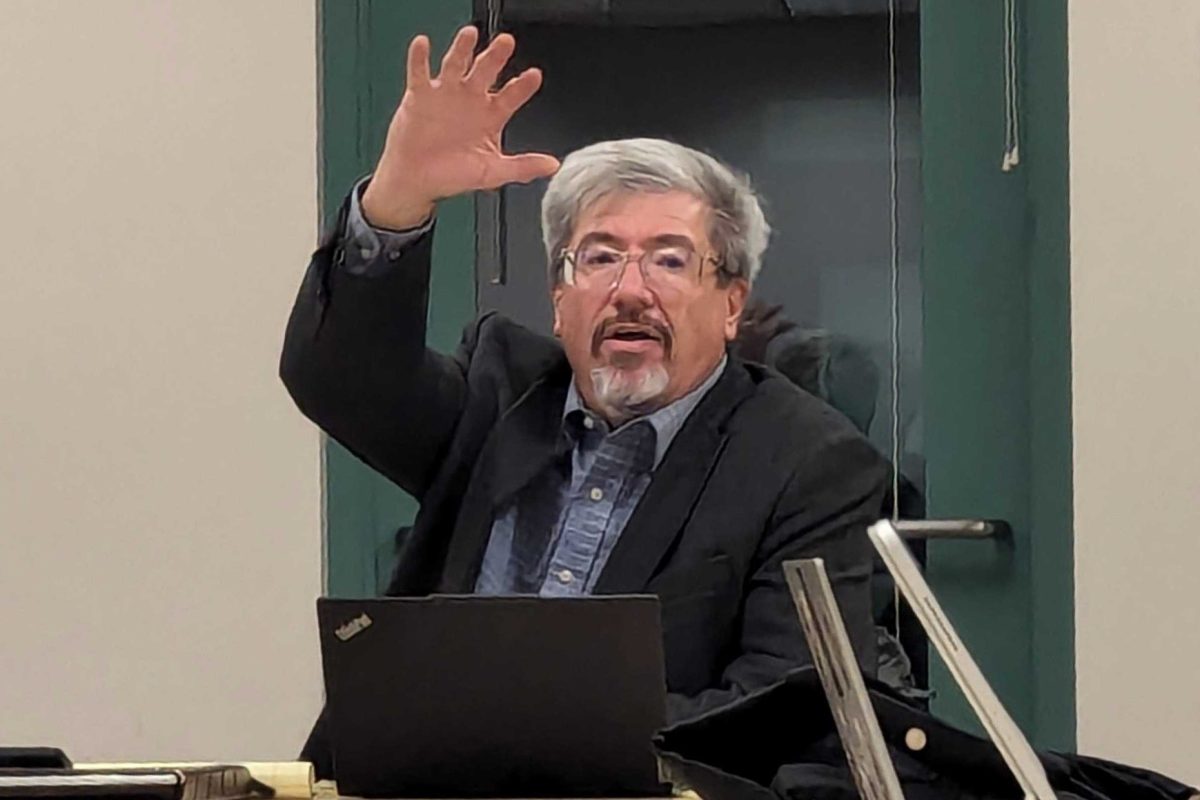







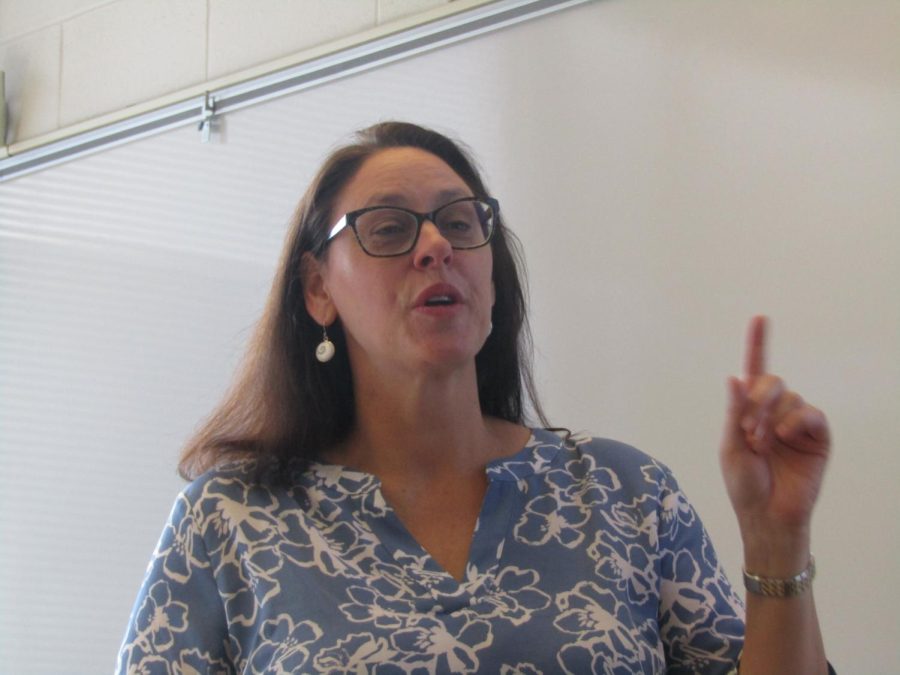


















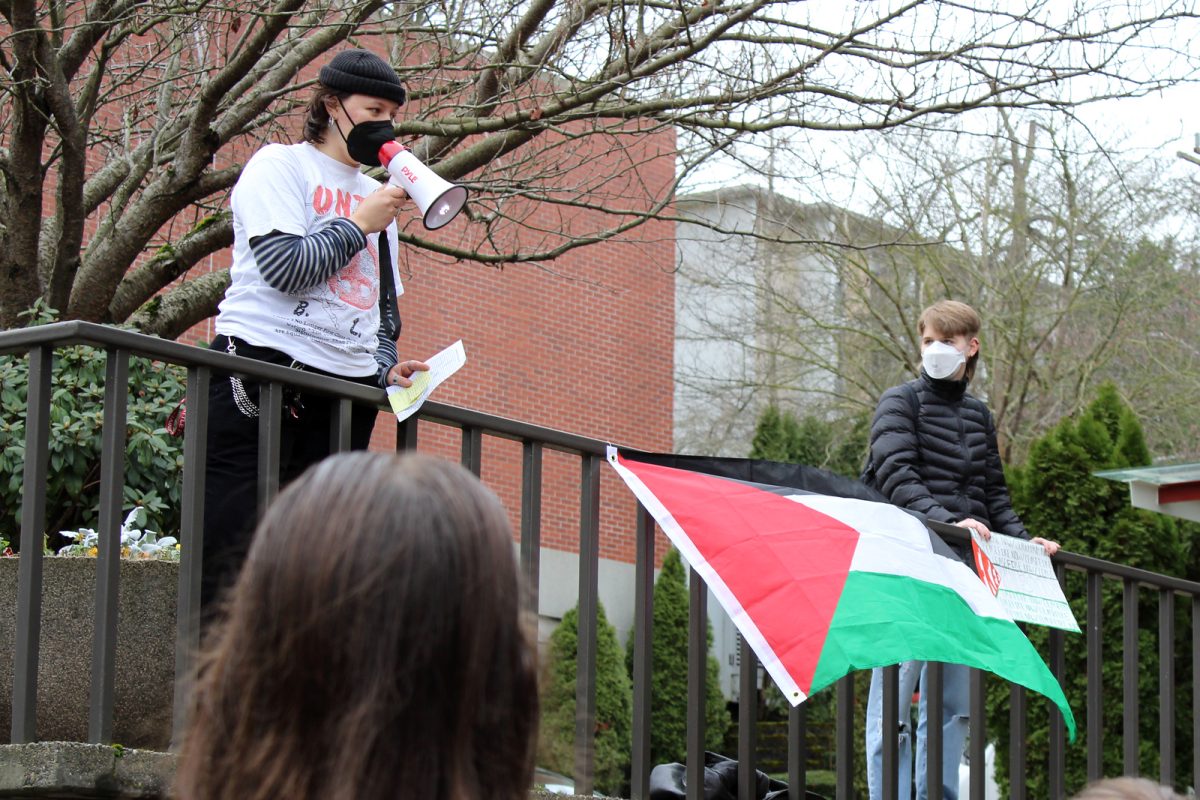





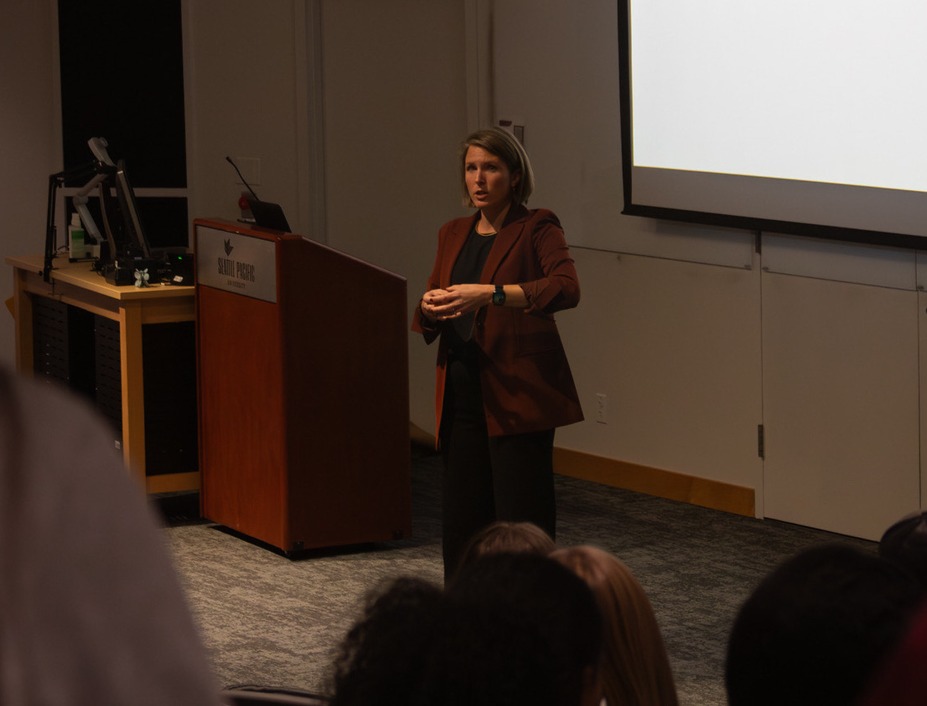
On Friday, Oct. 10, Israel announced a ceasefire with Gaza after two years of war. In response to this, Seattle Pacific University’s associate professor of history, Alissa Walter, spoke on the history of this conflict on Wednesday, Oct. 15, looking to provide historical context behind Hamas’ initial attack and Israel’s subsequent invasion of the Gaza Strip.
Walter opened the seminar by prefacing that she cannot speak from the perspective of a Palestinian, nor an Israeli, but that she deeply desired to represent the plights of these people thoughtfully.
“I offer my insights today with the utmost humility as a fellow learner, as someone who is also trying to make sense of this. But never daring to think that I am somehow speaking on behalf of anyone, because that is not my role here,” Walter said.
Walter expressed that she hoped to represent the conflict through a historical lens, spanning from 1917 to the ceasefire agreement on Oct. 10, 2025.
Throughout the seminar, Walter called the students in attendance to be thoughtful about the news they consumed, and to look to broaden their news intake in an effort to avoid media bias.
“I find that there will be things happening in the world being reported by the BBC that I never would have known about if I was only reading the New York Times. And so having at least one other source, and even preferably a non-American source, really can open up the world,” Walter said.
Walter shared how social media can be used as a tool to help fight this regional bias in news consumption, and how students benefit from unconventional news sources.
“Another thing I like is to encourage students to vary their Instagram [and TikTok] feeds. There are so many wonderful citizen reporters, and even less intense than that, people doing their ‘get ready with me’ or ‘day in the life’ accounts. And I think what has been remarkable about the last two years of this war has been being able to follow TikTok videos by children in Gaza and their cats, or their recipes they are cooking from their rationed food aid, and it is very humanizing,” said Walter.